If you have noticed I’m not tweeting or replying to your tweets, it’s because I can’t. Hopefully this situation is temporary, because Twitter is my favorite social media platform and I would certainly miss my daily interactions with friends there.
For now, I’ve found the silver lining in not obsessively checking my Twitter feed.
Interacting more with people in meat space and refocusing on work is always a good thing. Also, I hope to blog here more and will continue to do my podcast.
I might be suspended from Twitter, but I’m not suspended from the Internet. Yet.
Love and huggles,
Vince
PS: You can still keep updated on Twitter about The VITB Podcast.
Another year, another wave of security incidents and threat models to keep the cybersecurity industry busy. So there was plenty to discuss and share as the InfoSec community flocked to San Francisco for the annual RSA Conference last month.
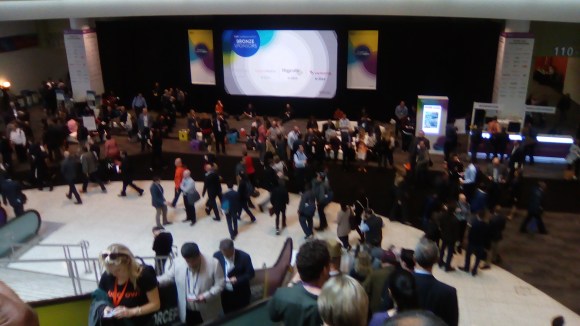
A view from the escalator as I descend into the bowels of RSAC 2017.
As always, the latest trends in the industry were addressed. Large data breaches, quickly growing threat models, security education, political hacking, and the risks posed by the Internet of Things were common threads throughout many of the keynotes, sessions, workshops, expos, and general chatter among attendees.
RSAC has more of a trade show feel compared to other security conferences so I’ve learned over the years that it’s best to approach the conference as an opportunity to meet and network with industry experts. This year I spent less time attending the talks and more time meeting with the players in the industry who are there to make deals and form partnerships.
However, I did catch several enlightening talks and panel discussions featuring the likes of ex-CIA operative Valerie Plame, security guru Bruce Schneier, researcher Rob Graham, people-security expert Masha Sedova, and security consultant Jeff Carr. Also enjoyed the entertaining keynotes by Late Night host Seth Meyers and astrophysicist Neil deGrasse Tyson.
Throughout the week I was lucky to catch up with several industry professionals representing some of the top tier firms in the cybersecurity sector who shared their take on the challenges and trends facing cybersecurity firms, their clients, and end users.
This episode of the podcast features interviews collected at RSAC 2017.
Next Wed at 10 am PDT/ 1pm EDT (March 22, 2017) I will be moderating a BrightTALK webinar on the recent “Vault 7” CIA document leaks titled WikiLeaks Vault 7: Facts, Fiction & Implications with distinguished panelists Jake Kouns, (Risk Based Security), Kenesa Ahmad (WISP) and more to be announced.
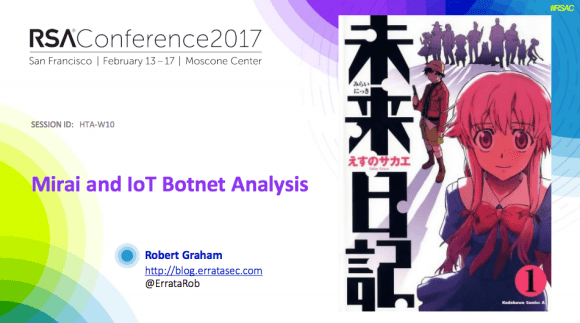
At this year’s RSA security conference in San Francisco, researcher Rob Graham gave a presentation entitled “Mirai and IoT Botnet Analysis.” His talk examined the infamous “Mirai” Internet of Things botnet and shared details on how it operates. Graham also covered technical aspects of the cameras it infects and detailed his own experimentation with Mirai in the wild. He went on to discuss last year’s massive DDoS attacks on DNS provider Dyn, which involved variations of the Mirai IoT botnet.
No official AV video recording of this talk, but the audio and RSAC slides are all you need.
On Saturday (January 21) President Donald Trump addressed CIA employees at the agency’s headquarters in Langley, Va.
Standing in front of the famous Memorial Wall dedicated to fallen officers, Trump tried to set aside his “feud” with the CIA by way of a speech which consisted of a series of rants about the “dishonest” media, his inauguration, the war on Islamic terrorism and the merits of Mike Pompeo (his nominee for CIA Director).
The speech garnered a lot of criticism from the press and on social media. Most of the news reporting has focused on President Trump’s “alternate facts” regarding the size of the crowd at his inauguration the day before.
This podcast breaks down the entire speech. Enjoy!
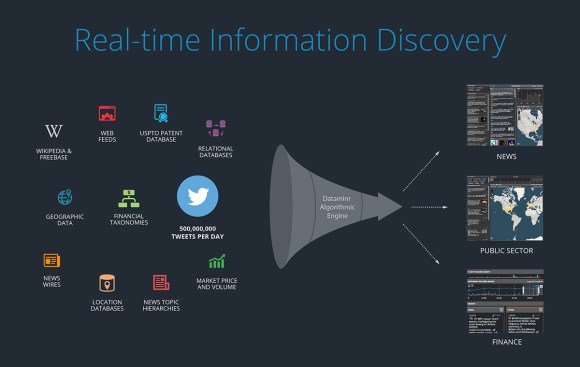
This episode is on Dataminr, a New York-based startup, which is authorized to analyze the entire Twitter “Firehose” of all live tweets and offer clients advanced social media analytics as a service in the form of digests and news updates.
Exclusive access to information and data feeds, which include Twitter’s raw live tweets, allows Dataminr to filter the data to identify important events and business trends as they unfold and also act as an early warning system for major events like terrorist attacks, natural disasters and other public emergencies.
Dataminr is Twitter’s only data partner that is also allowed to resell the complete stream of tweets and their clients include large hedge funds, mainstream news outlets, public relations firms, publicly traded corporations and major government entities including, law enforcement and intelligence agencies.
The DHS, FBI, and CIA have used the service to help with tracking criminals and terrorists, but have also drawn the ire of the ACLU, who have challenged the use of Dataminr’s services by government agencies to monitor domestic protests.
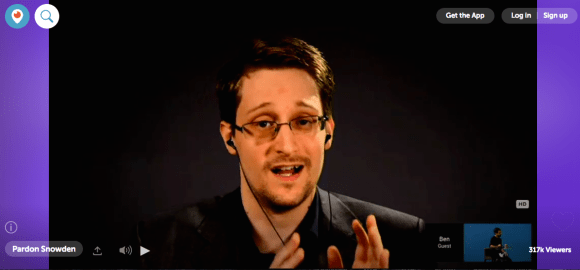
This episode breaks down last week’s online Q & A between Twitter CEO Jack Dorsey and infamous NSA whistle blower Edward Snowden on Periscope. The event, promoted by the organizers of the campaign Pardon Snowden, featured a lengthy discussion on privacy and the role of social media in sharing user data with law enforcement and intelligence agencies.
Jacob Young – who submitted a question to Snowden and had it answered, sorta.
The event also included questions from Twitter users. Jacob Young, a software engineer and privacy advocate, was one of the lucky users who submitted a question and had it answered by Snowden during the event. Jacob joins the podcast to give his reaction to Snowden’s answer to his question and also shares his thoughts on mass surveillance, privacy and more.
If you are curious about the Snowden Q&A in question and want to view the event in it’s entirety, here’s a link to the Periscope video: https://www.periscope.tv/w/1vOxwgnXeYLxB
As the glory of 2016 rolls to an end, I plan to empty my archive of some unreleased recordings which never made it on to any podcasts over the past year.
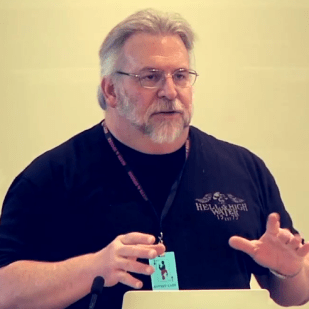
Rob Graham
I’m starting with this recording from the RSA Conference earlier this year in San Francisco, CA. It features Jen Ellis of Rapid7 moderating a “Security Thunderdome” debate between Rob Graham (Errata Security) and Josh Corman (Atlantic Council). It’s basically a debate about debating. A very spirited breakdown of the anatomy of a debate with a focus on cyber security.
The audio quality isn’t the best, but good enough to follow along. If you listen closely you’ll hear me ask a question from the audience toward the end. Big thanks to RSA, Jen, Rob, and Josh for allowing me to record the session. I hope this “Thunderdome Debate” format will return next year to RSA and possibly expand to at least another hour. Enjoy!
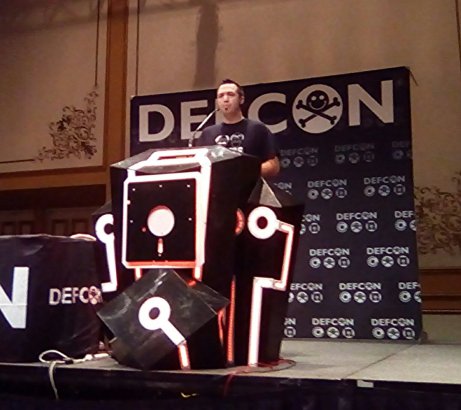
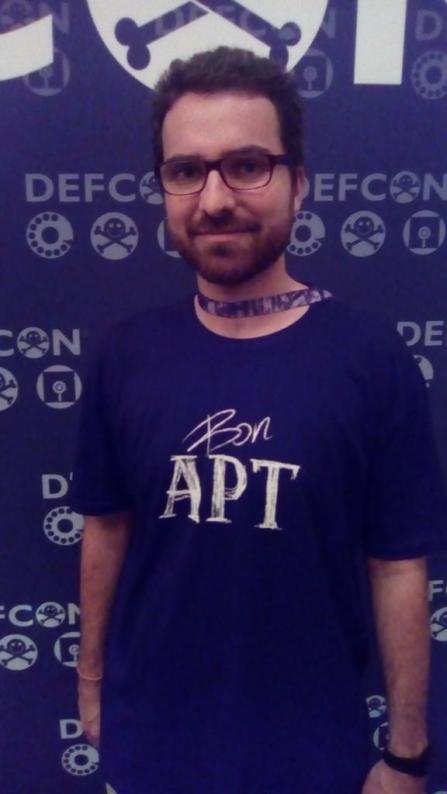
This episode is dedicated to my experience attending the infamous hacker conference known as DEFCON in Las Vegas. DEFCON 24 flew by way too fast, but I managed to interview several attendees.
DEFCON luminary Ryan “1o57” Clarke (pronounced “Lost”) spoke with me about the badge challenge which he helms each year. In the video above 1o57 shows off one of the custom made “Uber Badges” awarded to winners of several contests at DEFCON 24.
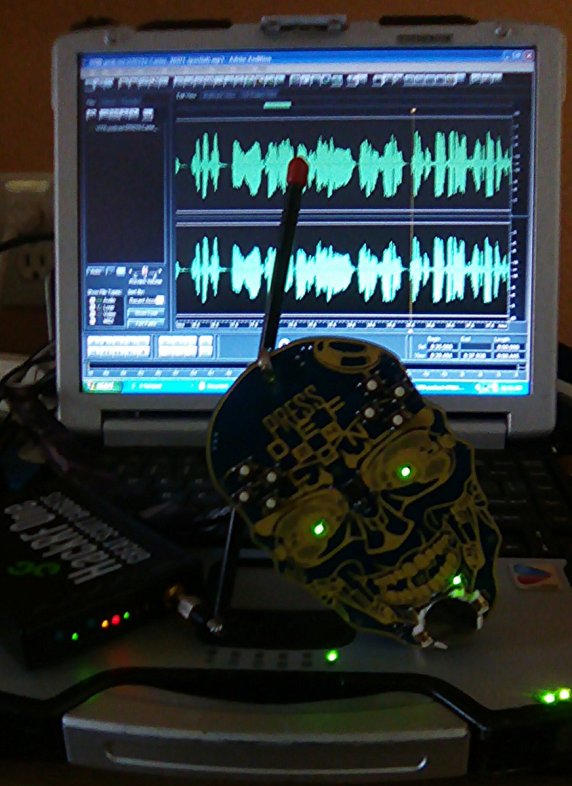
My DEFCON 24 badge, which I was convinced was emitting a RF signal. Possibly communicating with our benevolent robot overlords? Alas, no RF detected.

















 Exclusive access to information and data feeds, which include Twitter’s raw live tweets, allows Dataminr to filter the data to identify important events and business trends as they unfold and also act as an early warning system for major events like terrorist attacks, natural disasters and other public emergencies.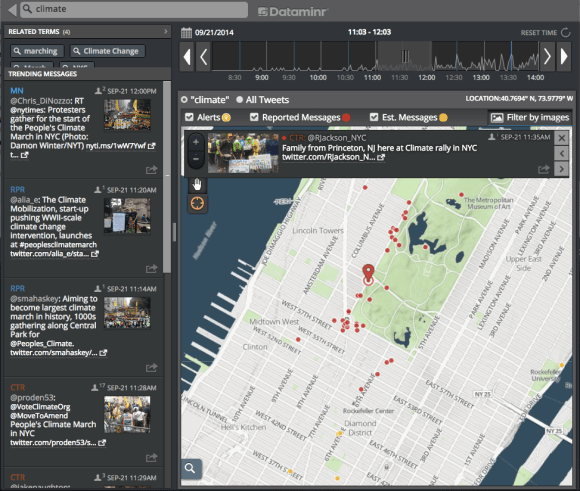
 The DHS, FBI, and CIA have used the service to help with tracking criminals and terrorists, but have also drawn the ire of the ACLU, who have challenged the use of Dataminr’s services by government agencies to monitor domestic protests.











 Vince in the Bay